
The Bringing in the Bystander® License Holder Survey Results and the Next Chapter
Read More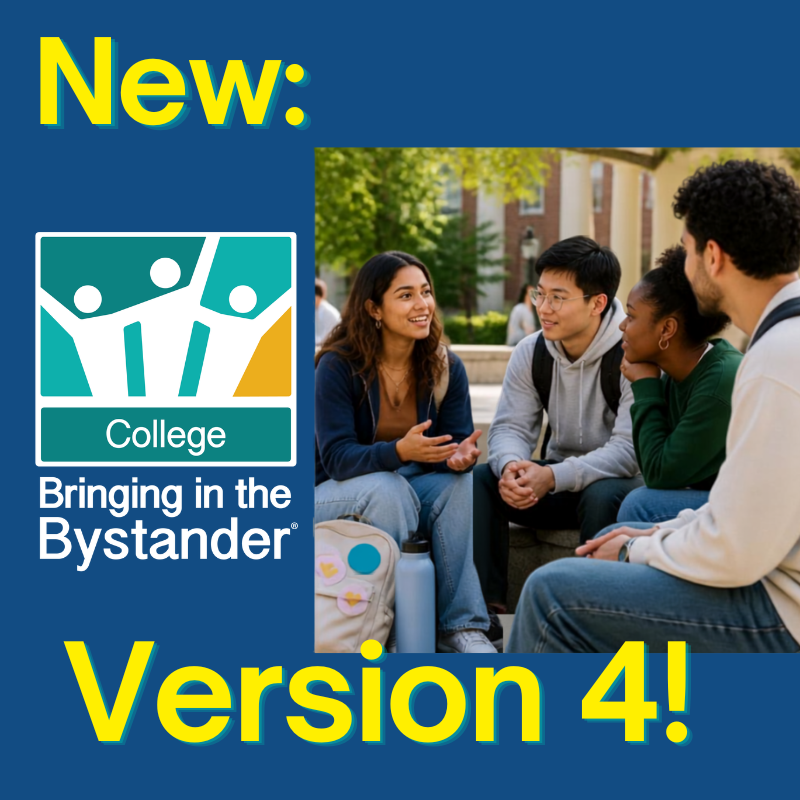
Introducing Bringing in the Bystander® College Version 4
Read More
A new report from Futures Without Violence and the National Domestic Violence Hotline shows that domestic and sexual violence often follow survivors into the workplace, undermining safety, performance, and economic stability. With 79% of survivors reporting that abuse made work harder (and most never disclosing) organizations that adopt survivor-centered policies, trauma-informed communication, and bystander training can break the cycle of silence while strengthening retention, trust, and productivity.
Read More
Harassment, bullying, and discrimination are often hidden risks but on ships, isolation, long contracts, and steep hierarchies make the stakes even higher. The IMO’s #MyHarassmentFreeShip campaign calls for zero tolerance but real change requires more than policy.
Read More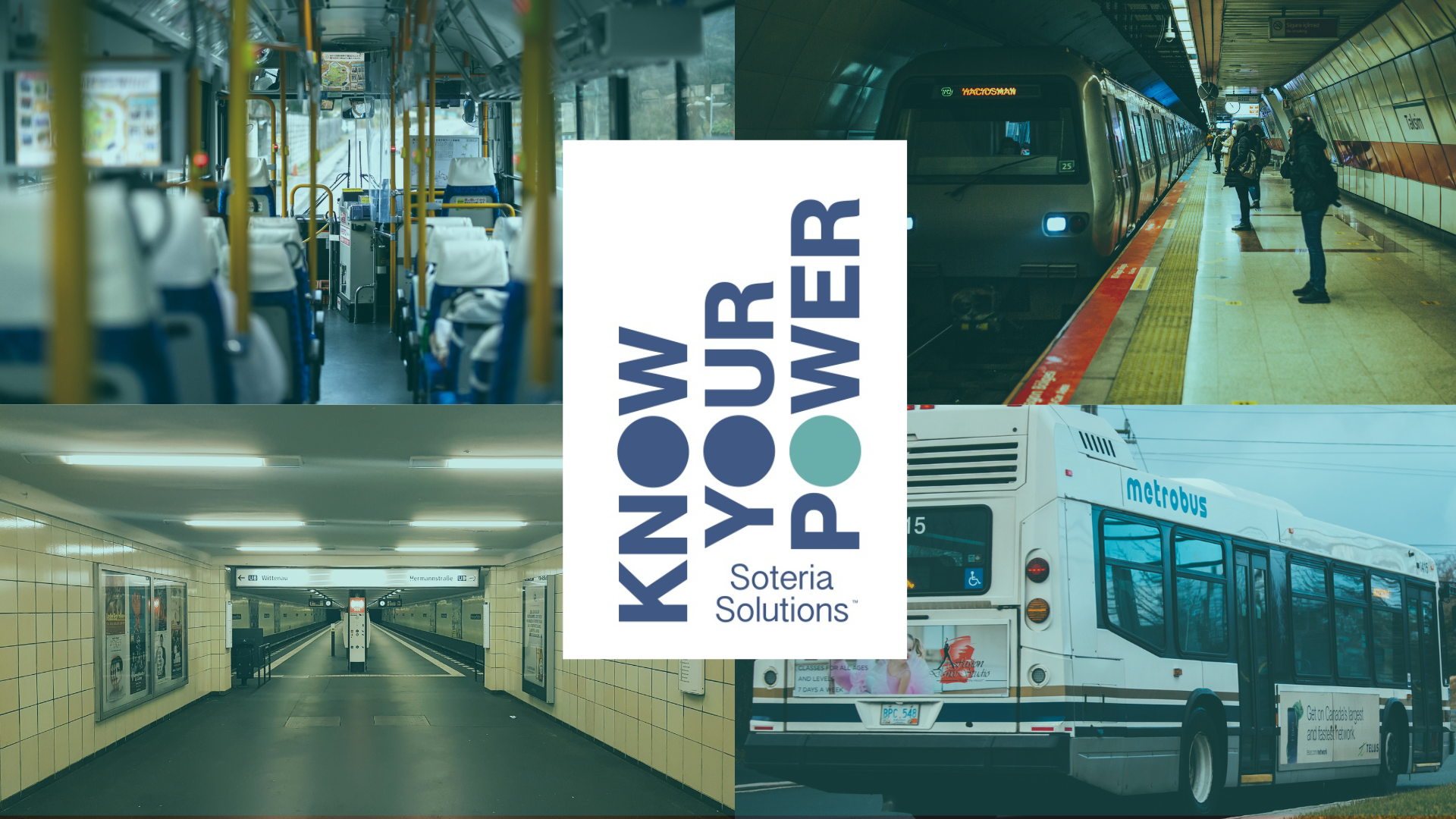
When people traditionally think about tools for safety on public transportation, infrastructure like cameras and lighting often comes to mind; but people are one of the most powerful safety tools available. This blog explores how activating riders and staff as bystanders can transform transit culture, reduce harm, and create safer shared spaces. Through a social marketing approach, everyday moments become opportunities for collective responsibility and action.
Read More